Digital images translated into spatial
line work and sculptural form
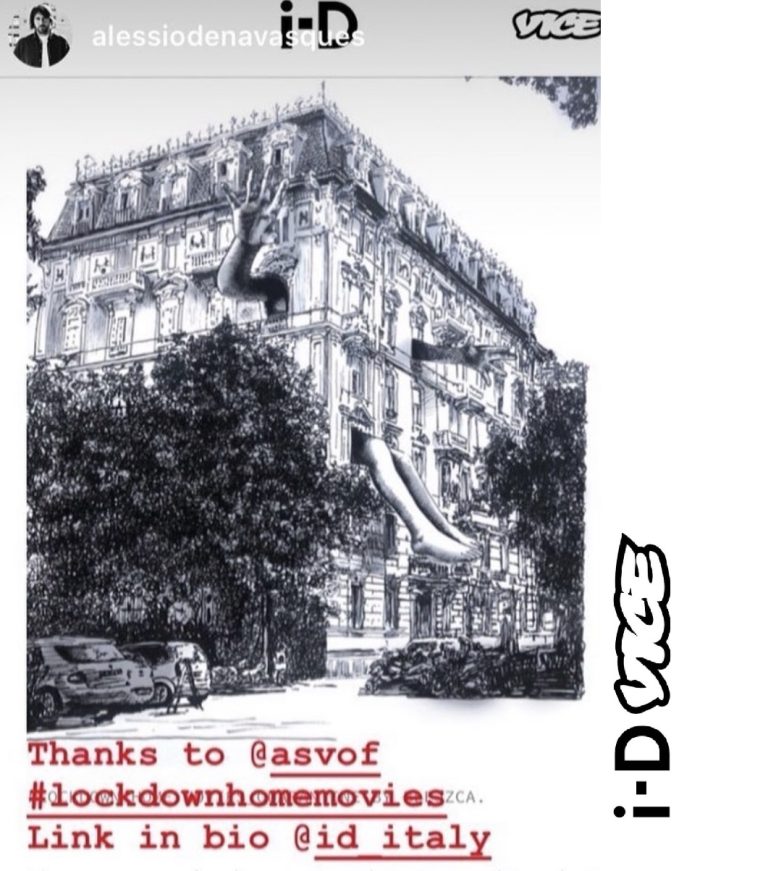
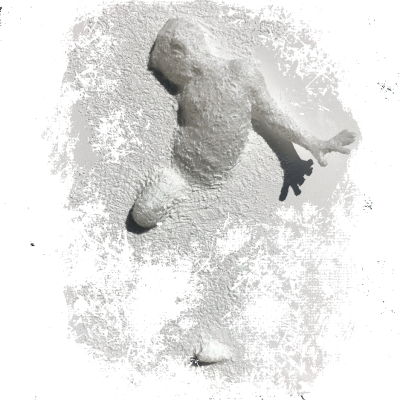
I use a 3D pen to revise digital imagery into hand-built drawings. Through layering, fragmentation and material tension, flat images become unstable plastic volumes suspended between control and collapse.
“I draw in space, turning digital lines into physical tension”
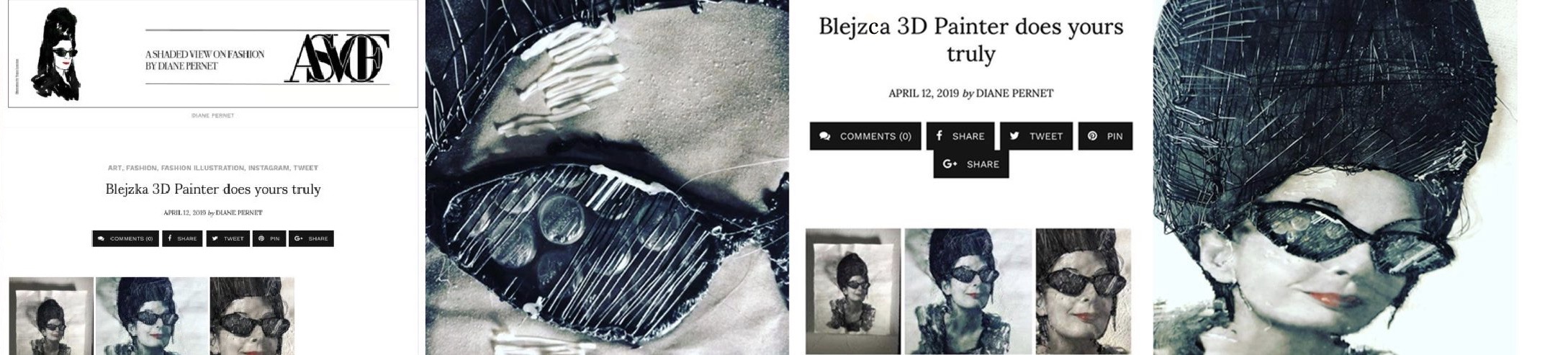
Blejzca 3D Painter does yours truly
and arrives in Paris today
A lovely surprise today, Blejzca, a 3D artist from Genoa sent me a portrait she made of me. It came out of nowhere so of course I was curious to know who Blejzka was….
PLA becomes both material and contradiction: industrial residue transformed through drawing. The work explores the tension between waste, fragility and transformation, where each line moves between constraint and release.
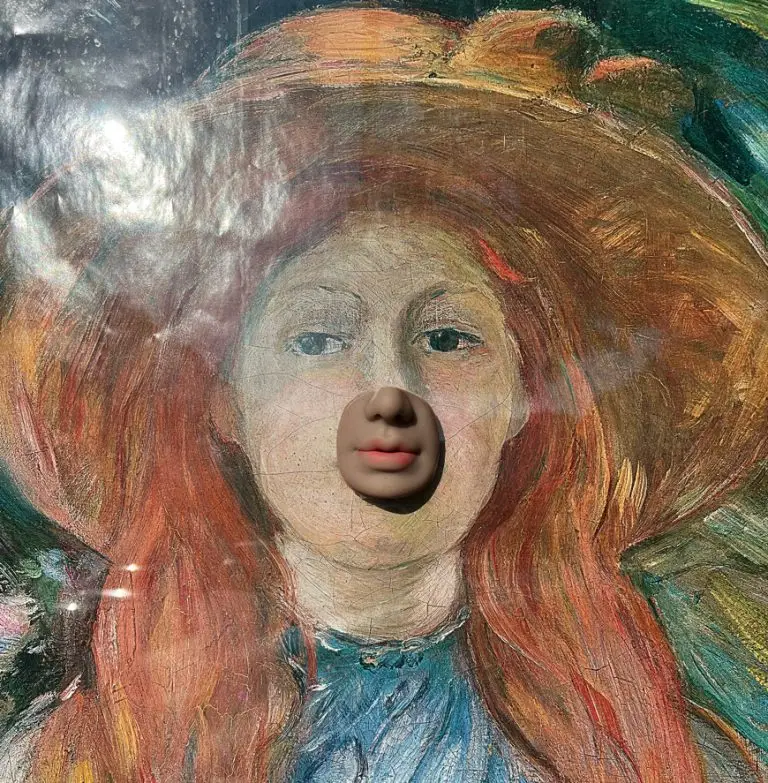
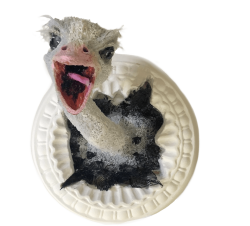
This investigation also extends into acts of contamination between historical imagery and synthetic materials. In works where impressionist reproductions are altered through the insertion of latex prosthetic elements such as piercing practice objects applied directly onto the surface the image becomes a site of collision between art history, consumer materiality, and bodily simulation. The intervention interrupts the stability of representation, introducing an ambiguous presence suspended between restoration, violence, artificiality, and fetish object. Positioned between drawing, sculpture and digital residue, each work becomes an autonomous object detached from its original image.
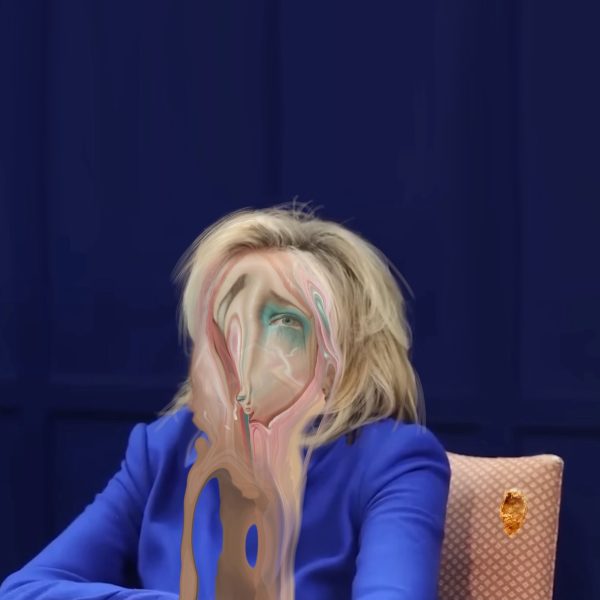
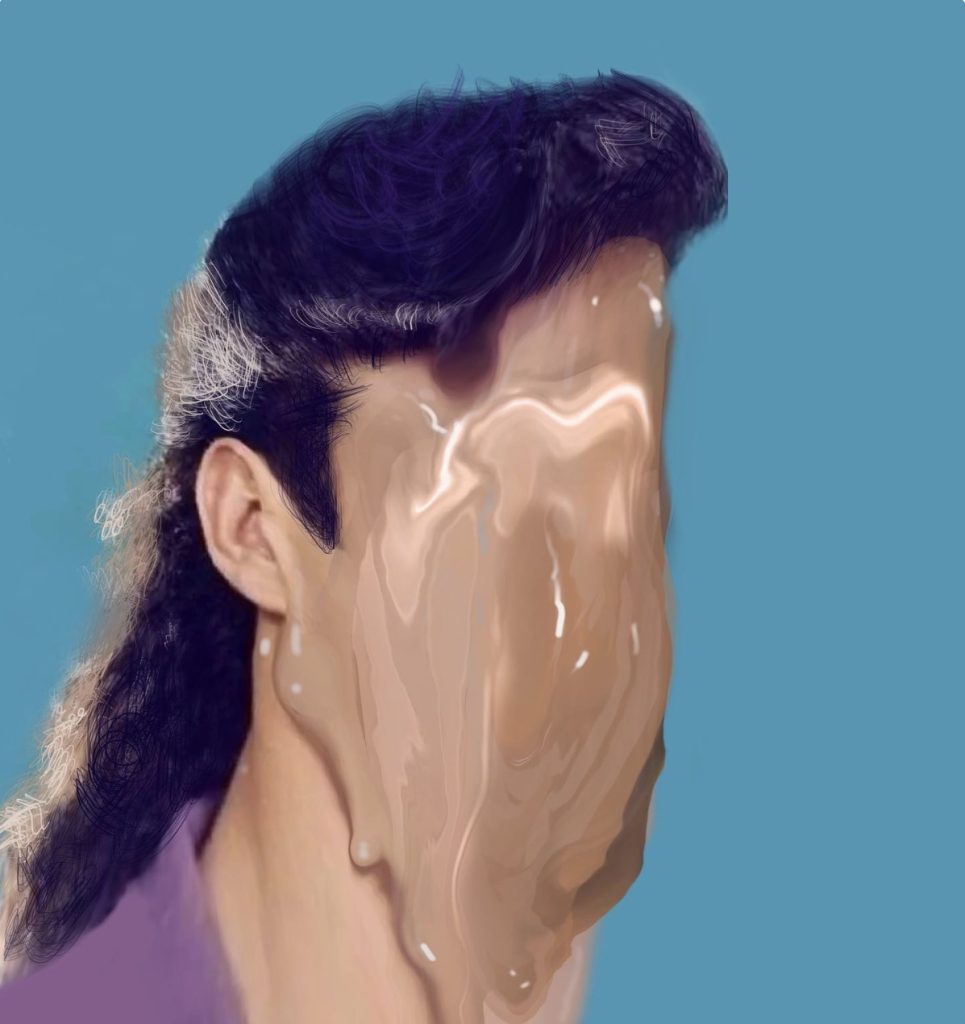
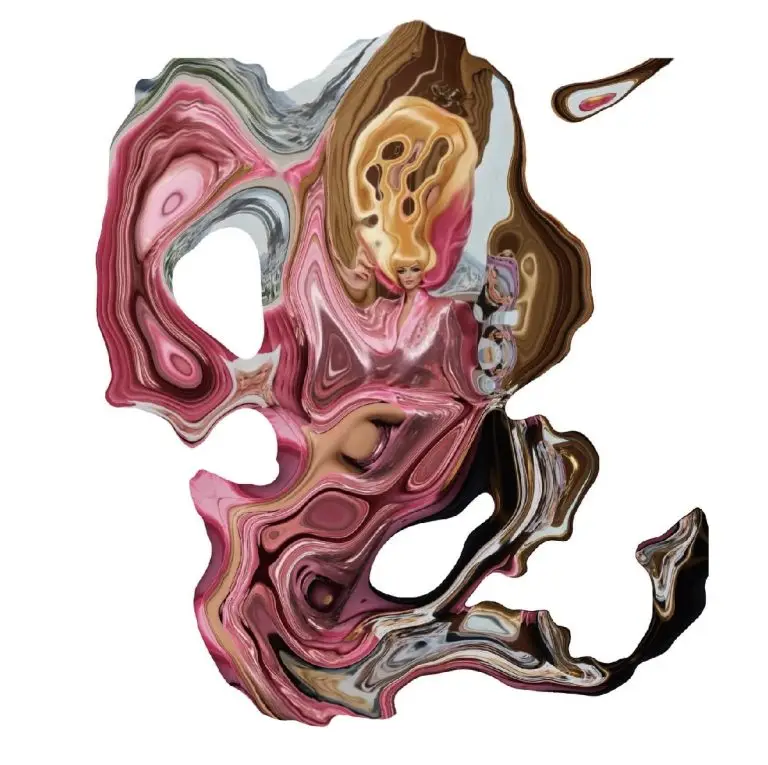
An hyper mapping of the human face where every detail is stretched, altered, and dissolved into fluid forms. transforms the portrait into an unstable emotional landscape, amplifying expressions, textures, and imperfections until identity itself begins to melt. Through distortion and transformation, the series reflects on the fragile relationship between perception, memory, and the contemporary human condition